Modern cities are no longer challenged merely by population growth; they are tested by environmental disruption, infrastructure deficits, and social fragmentation. Creating built environments capable of enduring these pressures demands more than standard spatial blueprints. It requires an integrated understanding of public governance, capital allocation, and community engagement.
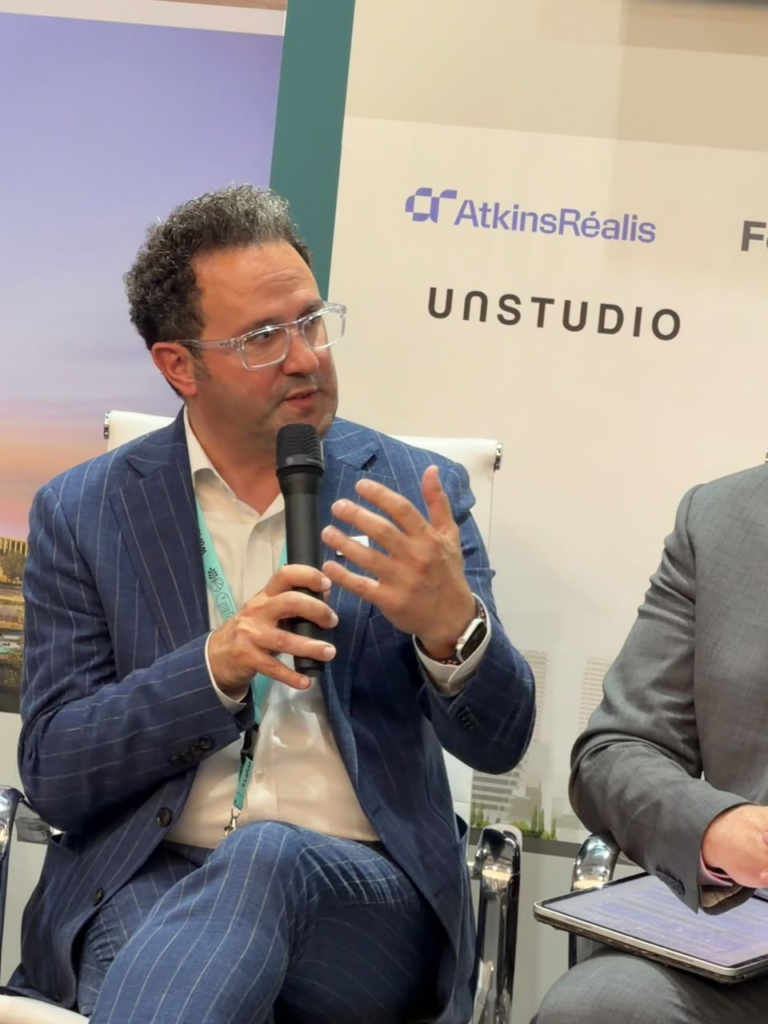
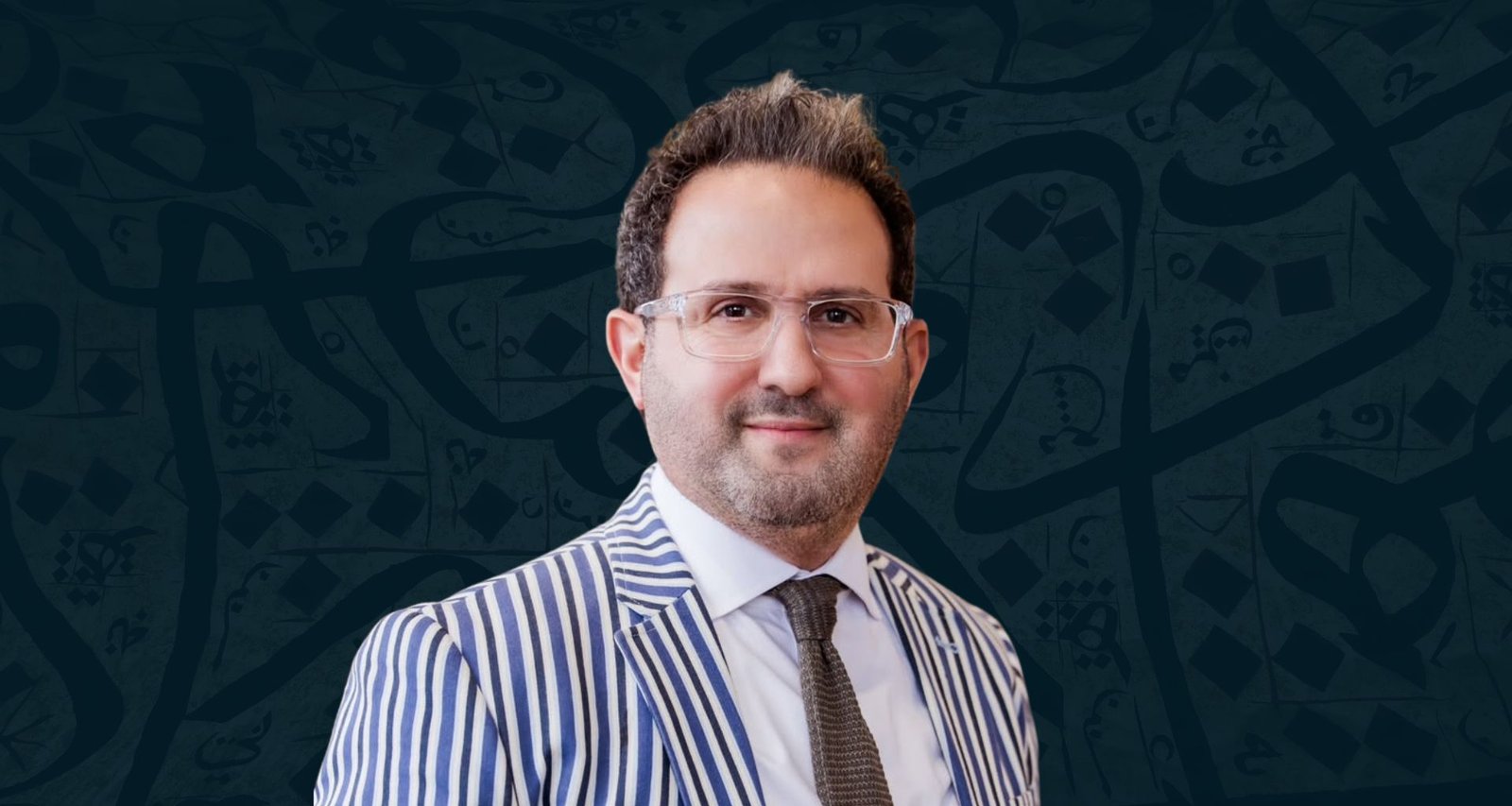
Prof. Samer Bagaeen operates at the critical intersection of these forces. As an urban planner, academic leader, and public servant, his work focuses on institutionalising resilience within urban ecosystems. Rather than viewing city design as a series of isolated real estate assets, he approaches planning as a continuous strategic mechanism that aligns economic investment with environmental and social sustainability.
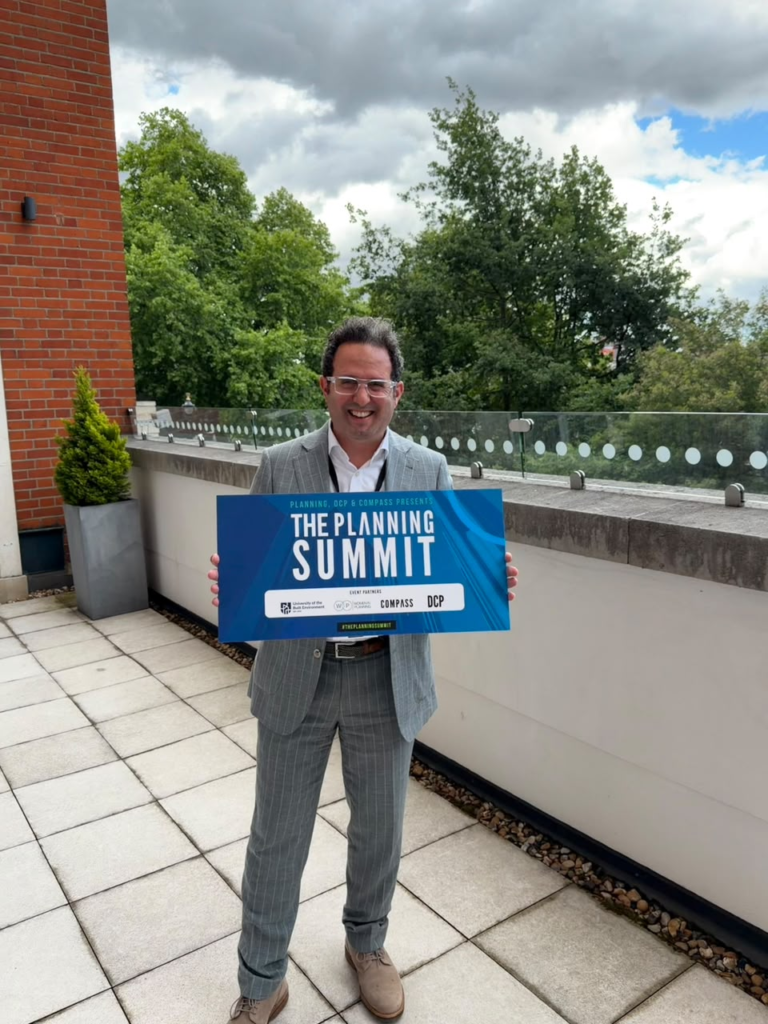
“A city’s resilience is defined not by the scale of its infrastructure, but by its capacity to adapt under institutional and environmental pressure.”
Aligning Policy, Infrastructure, and Resilience
Urban planning often falters in the space between policy design and on-the-ground execution. Professor Bagaeen has structured his career around closing this divide, translating high-level sustainability goals into actionable spatial strategies.
His work across international networks, including the 100 Resilient Cities initiative pioneered by the Rockefeller Foundation, demonstrated the necessity of cross-sector diplomacy in urban delivery. Guiding city administrations across the Middle East and Europe—including Amman, Ramallah, Byblos, Milan, and Barcelona—he helped institutionalise frameworks that balance municipal resources with climate readiness.
As Technical Director at Arcadis, he leads town planning and external engagement capabilities within environmental planning, applying strategic communication to navigate complex stakeholder landscapes. By connecting technical master planning with institutional decision-making, his approach ensures that major infrastructure initiatives remain viable over the long term.
His strategic focus centres on five core pillars:
- Institutional governance and public-private alignment
- Climate adaptation and urban resilience frameworks
- Sustainable spatial planning and brownfield regeneration
- Inclusive growth and professional diversity in the built environment
- Higher education capability building and executive training
Regional Transformation and Global Practice
Throughout the Arab region, rapid urbanisation and economic transformation require sophisticated approaches to master planning. Professor Bagaeen’s regional portfolio reflects deep involvement in formative spatial developments. His early contributions to the master planning of the West Bay district in Doha and his leadership within Jordan’s National Resources Investment and Development Corporation (MAWARED) highlighted the economic potential of disciplined regeneration.
Later, through the delivery of the Green City Action Plan for Amman in partnership with the European Bank for Reconstruction and Development (EBRD) and the Greater Amman Municipality, he reinforced the role of multilateral finance in driving urban decarbonisation.
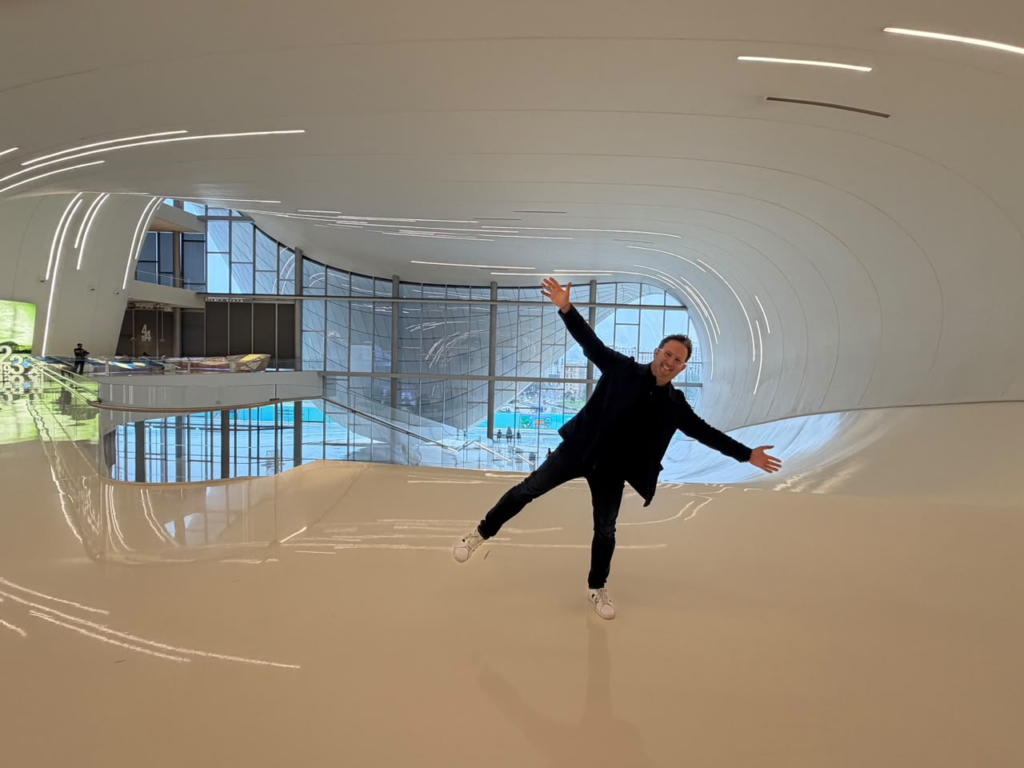
His work also extends into professional leadership development across the Middle East. Through the Royal Institution of Chartered Surveyors (RICS), he has delivered executive training on sustainability, ESG frameworks, and corporate ethics to institutional bodies, including the Public Investment Fund (PIF) of Saudi Arabia. This cross-pollination between international professional standards and regional transformation initiatives reflects a career dedicated to institutional capacity building.
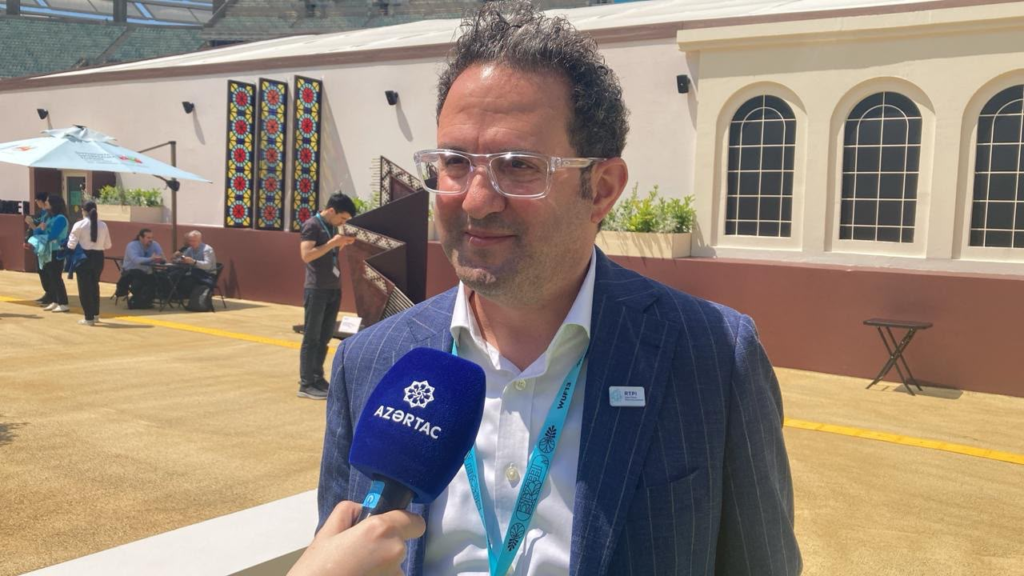
“Long-term value creation in the built environment relies on establishing governance structures that outlive individual development cycles.”
Grounded Governance and Educational Leadership
Effective planning strategy cannot exist in an academic or corporate silo; it must prove its viability in civic life. Professor Bagaeen’s election to the Brighton & Hove City Council in the United Kingdom provides a practical testing ground for the policies he champions. Working within local government gives him direct insight into the political, economic, and social tensions inherent in community development.
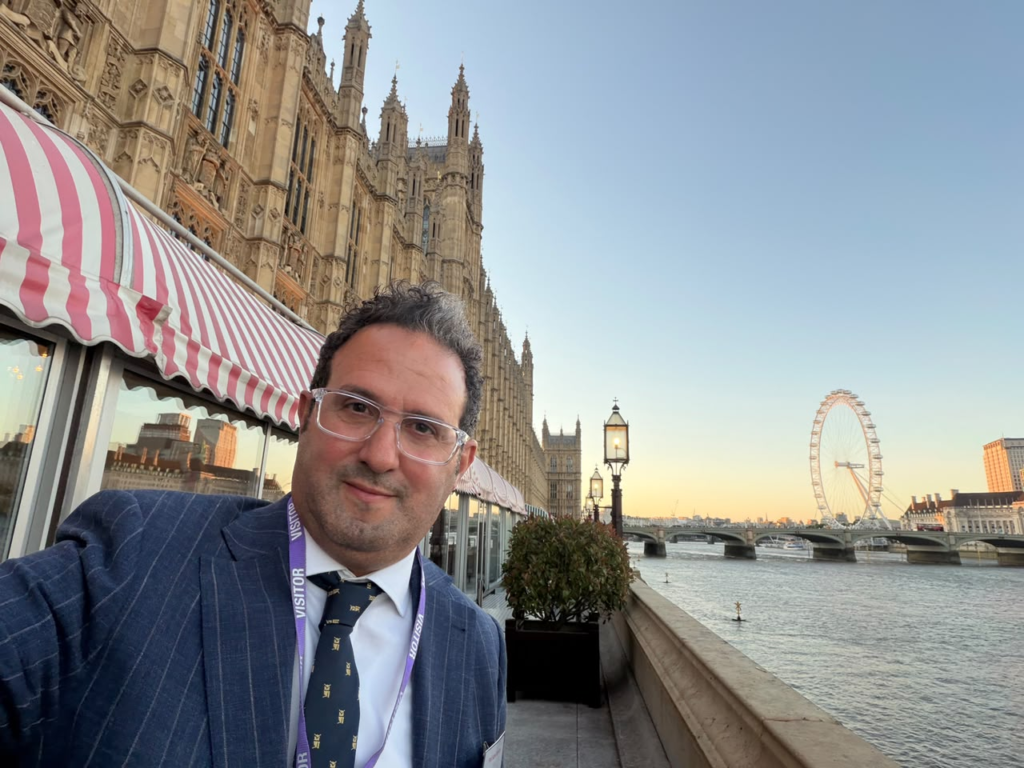
Simultaneously, his academic positions—including roles as Head of the School of Planning and Real Estate at the University of the Built Environment, Professor of Planning & Resilient Systems at the University of Kent, and Visiting Professor at Imperial College London—ensure that the next generation of practitioners is trained in multi-disciplinary problem solving. Through extensive research on gated communities, sustainable cities, and neighbourhood planning, he continues to critique and refine how urban space is governed and shared.
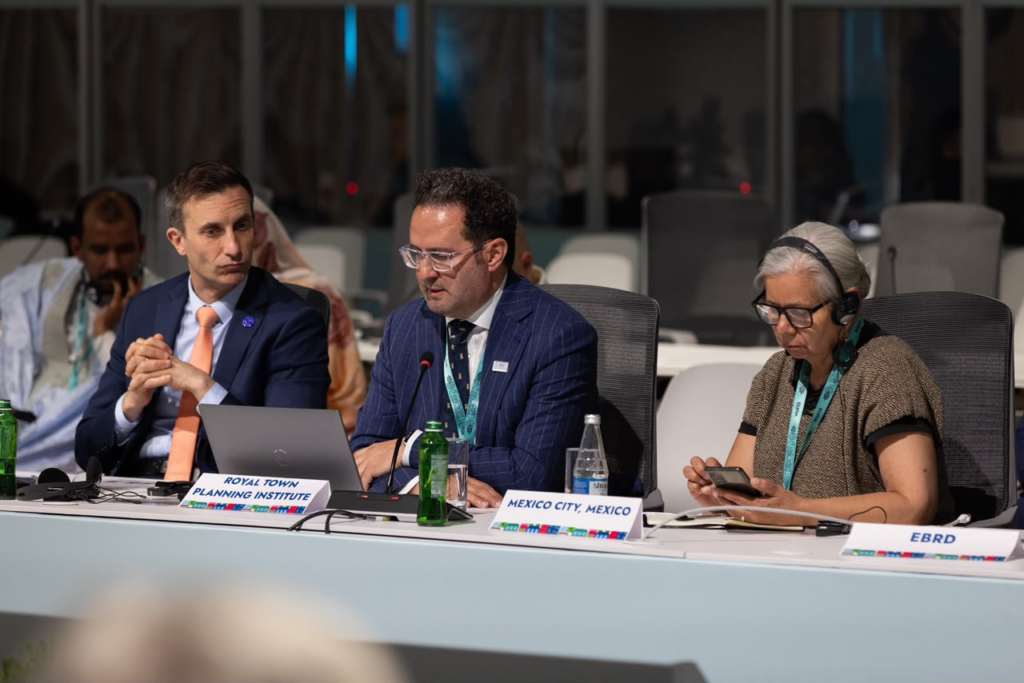
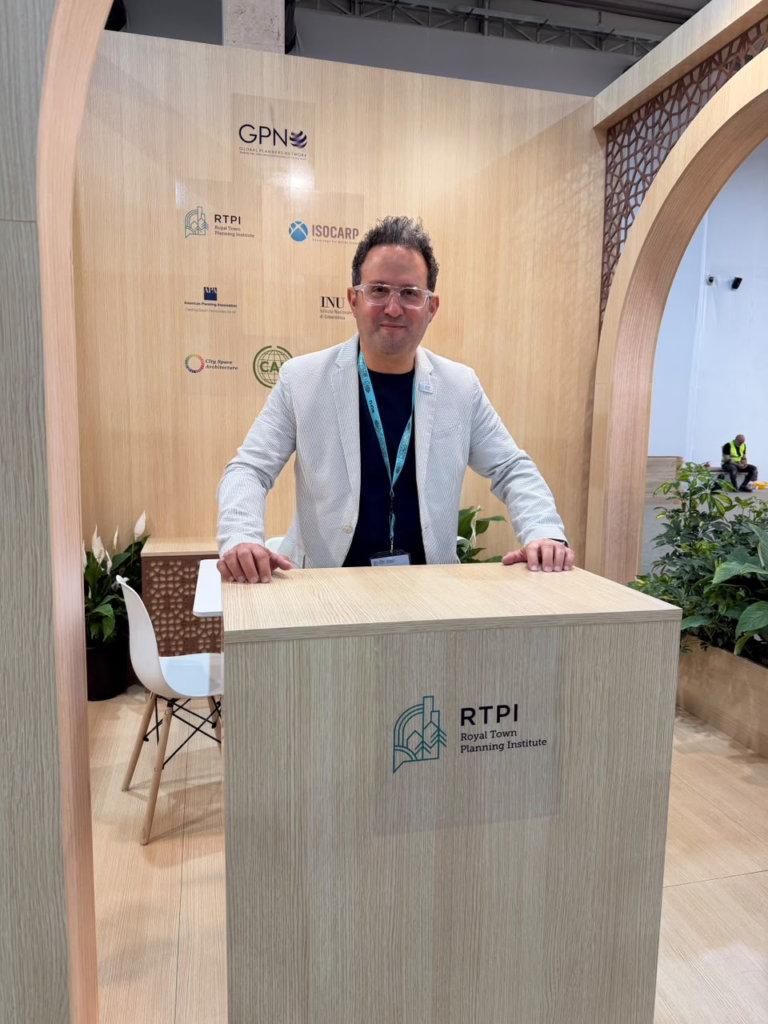
As Vice President of the Royal Town Planning Institute (RTPI) and a fellow of leading global institutions (FRTPI, FRICS, FICE, FRGS), Professor Bagaeen operates as a leading voice on how statutory planning systems must evolve. He combines local accountability with global perspective, ensuring that urban planning remains a driver of equitable public value.
Recognition by The Arab Leaders
Professor Samer Bagaeen is recognised by The Arab Leaders for his distinguished international contribution to urban planning, sustainable development, and institutional governance. His career exemplifies how regional leaders can shape global best practices while remaining deeply engaged in public service, academic excellence, and community advancement. By connecting technical expertise with civic leadership, he continues to influence how cities across the globe prepare for an uncertain and complex future.