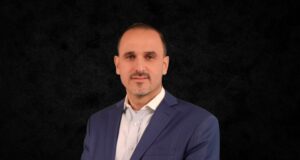
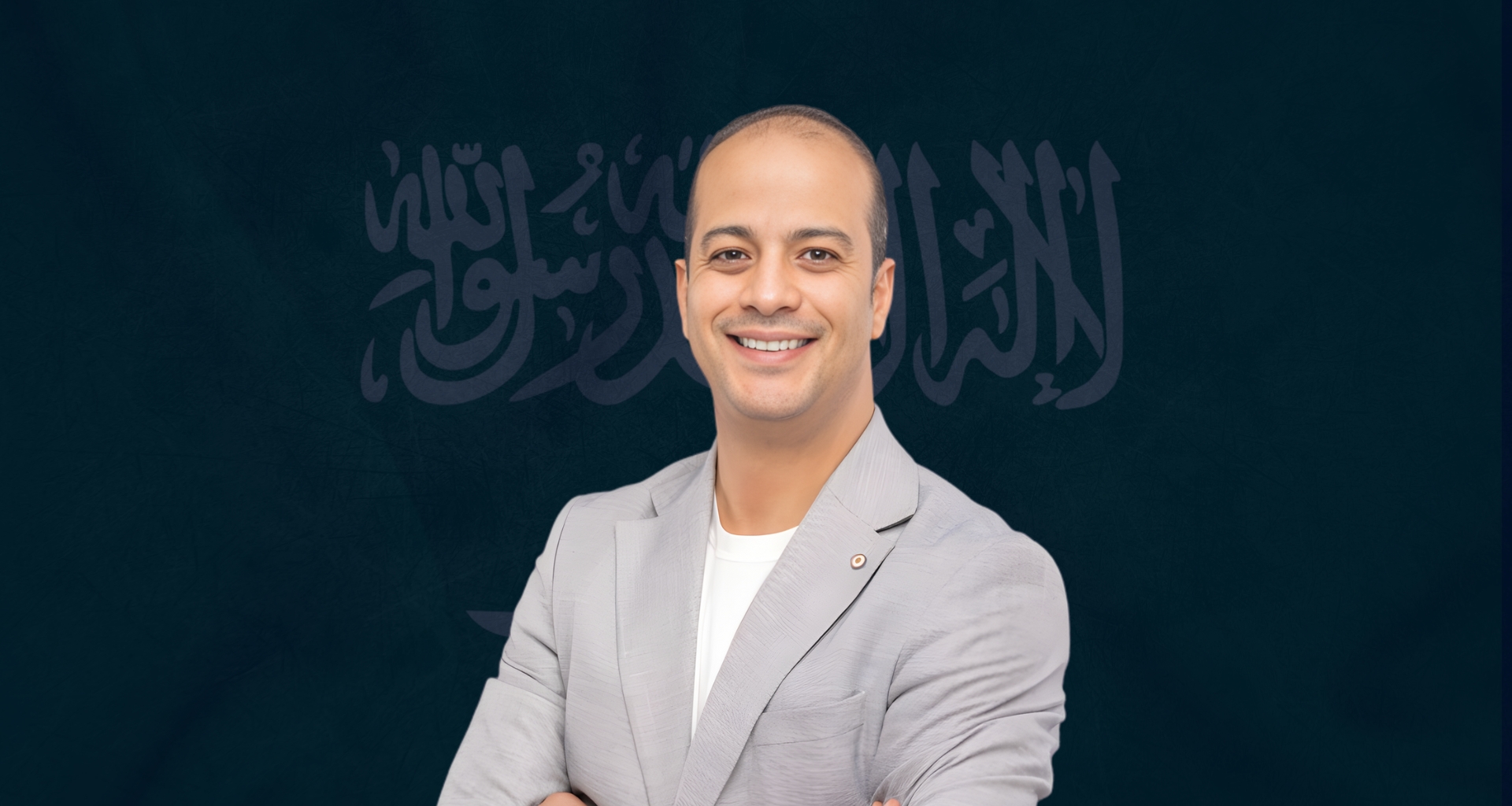
For many professionals, career paths unfold in predictable straight lines. Study, graduate, secure a stable role, and climb patiently. For a few, however, growth begins where certainty ends. Hany Alaaeldin belongs firmly in that second category.
Originally trained as a pharmacist, Hany’s professional journey evolved far beyond laboratories and clinical routines. Over more than two decades, his career became a front row seat to one of the most ambitious entrepreneurial and economic transformations in the Arab world, Saudi Arabia’s rise as a global innovation hub.
From Pharmaceuticals to Platforms
Hany began his career working across Egypt, Libya, and the wider Middle East and Africa in pharmaceutical sales and marketing. These early years exposed him to markets that demanded initiative rather than maintenance. In Libya, scientific pharmaceutical offices were largely absent, and Hany was involved in building foundational structures from scratch.
While many of his peers pursued stable and established roles, he gravitated toward environments that required creation. This instinct later became a defining advantage as the region began embracing entrepreneurship.
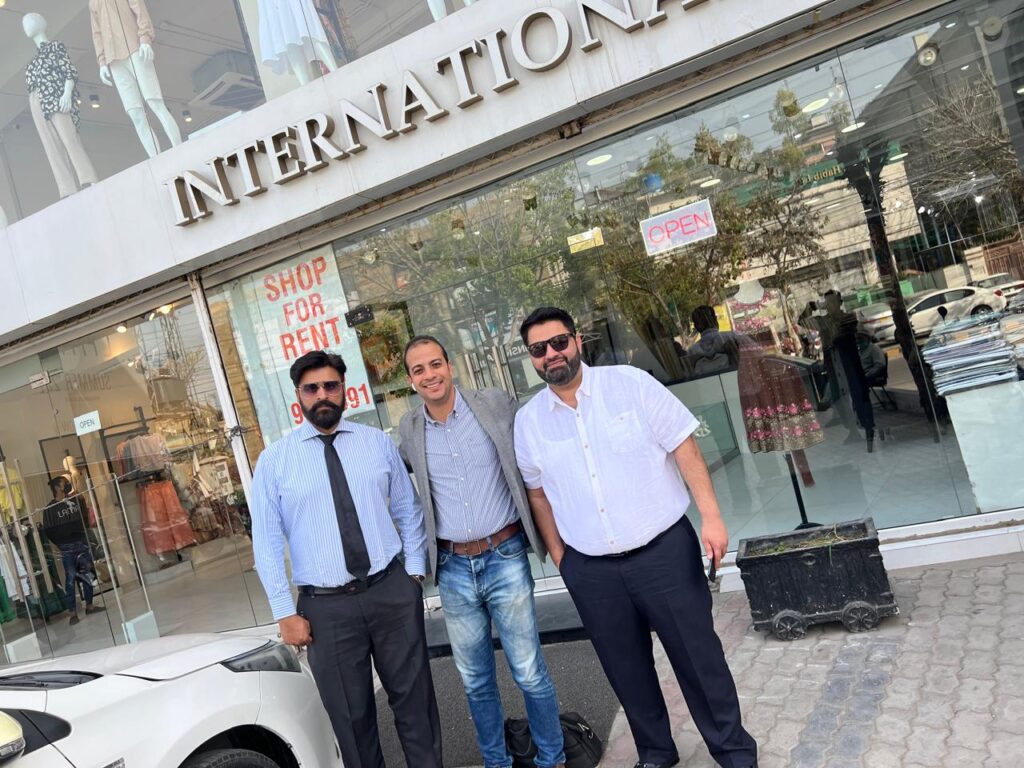
Entering the Digital Era Early
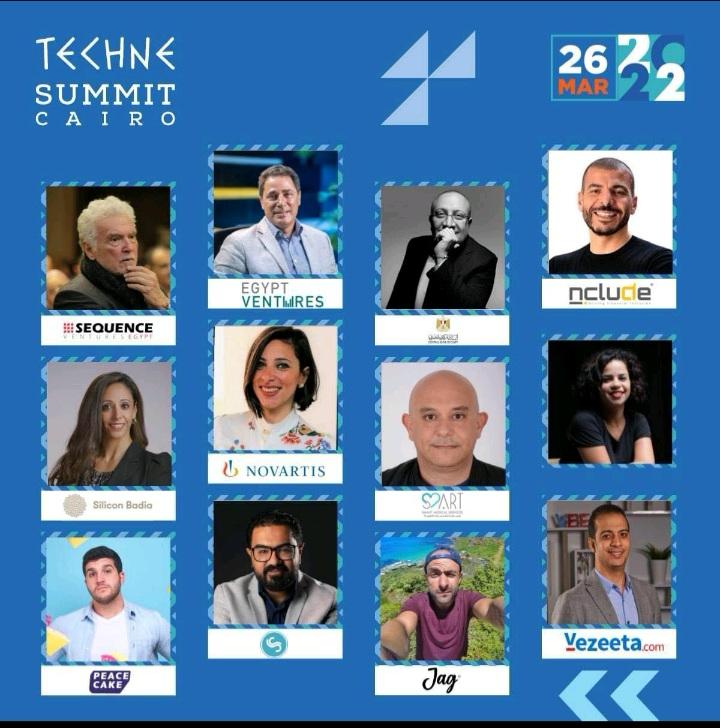
By 2014, global digital disruption was reshaping industries worldwide. Platforms such as Uber and Booking.com were redefining consumer behavior, and healthcare was approaching a turning point. That year, Hany joined the founding team of Vezeeta, one of the region’s earliest digital health platforms.
Startup life demanded far more than functional expertise. Hany contributed across legal setup, operations, product alignment, marketing strategy, and team building. The experience was not specialization, but synthesis. It reshaped how he understood leadership, ownership, and scale.
Leaving the pharmaceutical industry was a calculated risk, driven by three factors. A personal inclination toward building from zero. The collective momentum of a team willing to take the same leap. And the belief that early adoption creates long term advantage.
Building Vezeeta in Saudi Arabia
Following Vezeeta’s early success in Egypt, the company raised a major funding round in 2018. Hany was selected to lead its expansion into Saudi Arabia, a market with immense potential but limited precedent for digital health platforms.
He built the Saudi presence from the ground up. There was no legal entity, no office, no team, and no established process. Every element had to be created.
One of the most striking aspects of this phase was the openness of Saudi institutions. Senior officials at the Ministry of Investment welcomed discussions despite Vezeeta having no prior legal presence. Licensing frameworks were explored collaboratively, and solutions were shaped through dialogue rather than resistance. This openness reflected the early momentum of Saudi Vision 2030, which was beginning to influence both policy and mindset.
Educating the Market
While institutional support was strong, the business environment presented a steeper challenge. In 2018, concepts such as digital booking systems, performance marketing, and patient centered healthcare platforms were unfamiliar to much of the market.
Adoption required education, patience, and trust. Convincing healthcare providers was not about aggressive sales, but about reshaping how value was perceived. This phase was transformative, demanding, and at times difficult, but it laid the groundwork for long term growth.
Saudi Arabia Then and Now
Between 2018 and 2025, Saudi Arabia underwent one of the fastest ecosystem transformations seen globally. The country is now home to multiple unicorns, with many startups preparing for public listings. Legal and operational processes have become significantly smoother. Residency pathways and founder friendly frameworks are firmly in place.
Beyond startups, infrastructure development across entertainment, transportation, and urban living has reshaped daily life. The influx of global talent has further diversified the professional landscape, positioning Saudi Arabia as a destination rather than a temporary assignment.
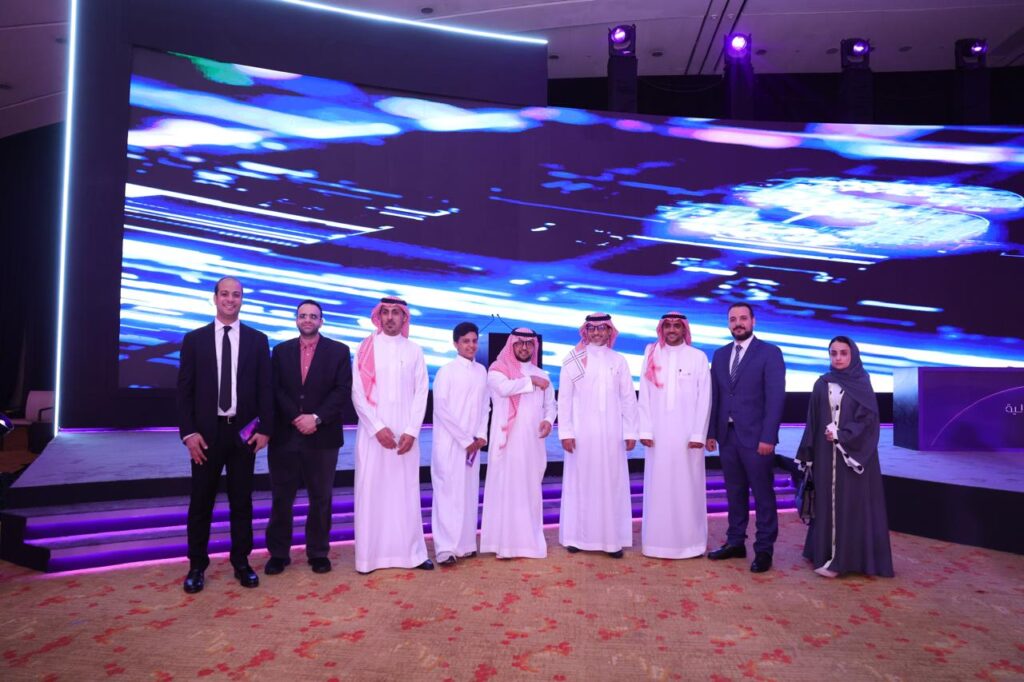
Transformation Without Losing Identity
Despite rapid modernization, Saudi Arabia has retained its cultural foundation. This balance makes the market both attractive and demanding. Success requires understanding not only regulations and capital access, but also cultural nuance and social context.
Hany emphasizes that many startups fail by attempting surface level localization. Translation tools and symbolic imagery do not create trust. Authenticity does.
Why Remote Management Fails
One of the most common mistakes founders make is attempting to manage Saudi operations remotely. Localization cannot be outsourced. Product decisions, language, branding, customer experience, and payment systems must be designed with local depth.
Saudi consumers have high expectations. Features considered optional in other markets are expected from day one. Without local presence, startups lose relevance quickly.
Trust as a Business Foundation
In Saudi Arabia, trust is not a soft skill. It is foundational.
Business relationships are built on consistency, transparency, and personal credibility. Networking plays a critical role, but it must be rooted in genuine trust rather than transactional intent.
Hany highlights the importance of honesty under pressure, admitting when answers are not immediately available, and engaging in social and cultural spaces beyond formal meetings. These behaviors are essential for long term success.
Accelerators as Market Bridges
To support international founders, Saudi Arabia has invested heavily in global accelerators and venture partnerships. These programs provide comprehensive market entry support, including legal setup, accommodation, team formation, and cultural immersion.
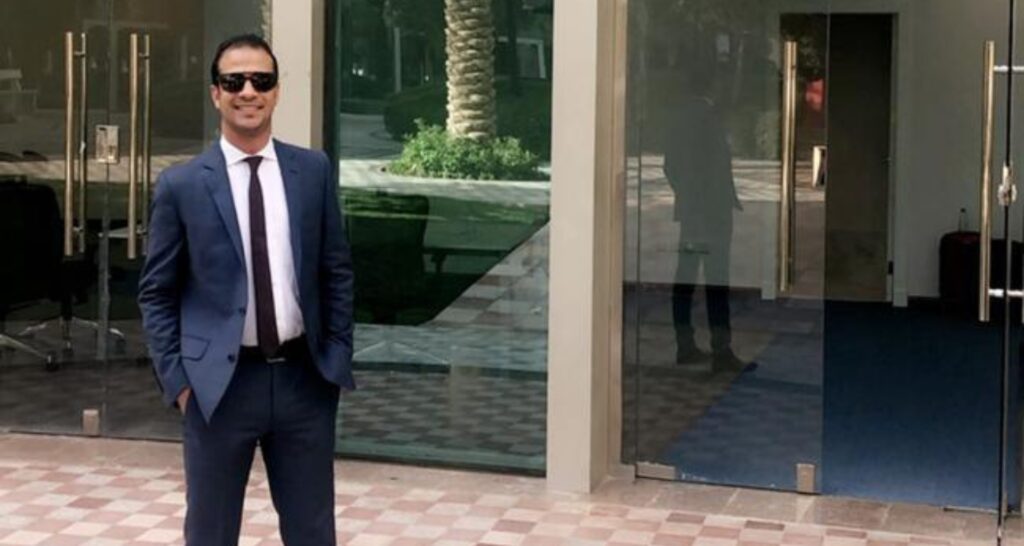
By working with local partners, accelerators help founders understand not just how to operate in Saudi Arabia, but how to integrate into its ecosystem.
A Market That Rewards Commitment
Despite extensive support, Saudi Arabia remains one of the most competitive markets in the region. Consumer expectations are high, and scaling requires precision. Many startups enter confidently but exit quickly due to misalignment or under commitment.
Those who succeed are those who commit fully, culturally, operationally, and strategically.
A Leadership Journey Aligned with National Transformation
Hany Alaaeldin’s journey mirrors Saudi Arabia’s broader evolution. From building foundations to driving strategic growth, both required vision, patience, and adaptability.
His experience underscores a simple truth. Transformation is not driven by infrastructure alone. It is built by individuals willing to take risk, build from zero, and engage deeply with change.
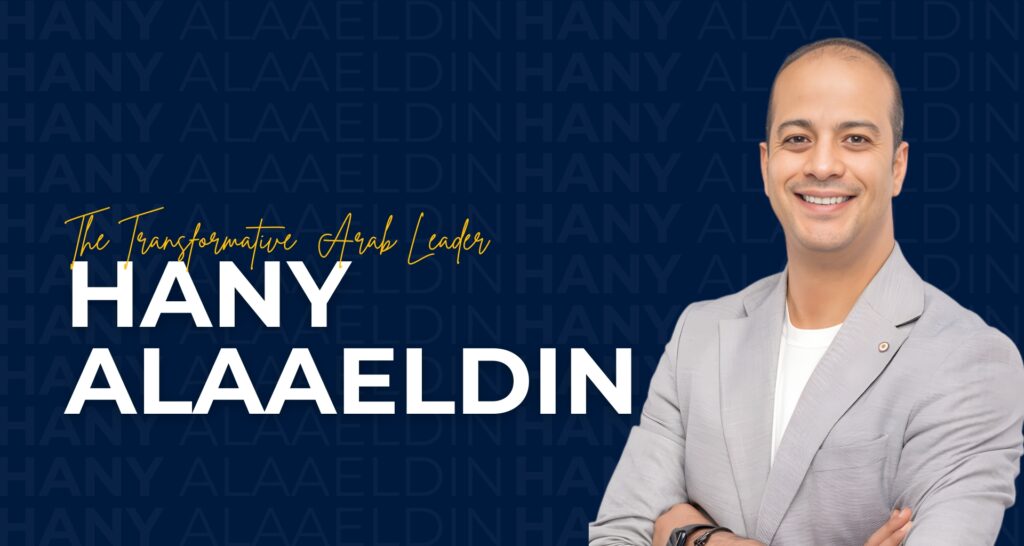
Saudi Arabia’s entrepreneurial story is still unfolding. Leaders like Hany continue to shape not only how businesses scale within the Kingdom, but how global innovation understands it.