From Financial Leadership to Strategic Transformation
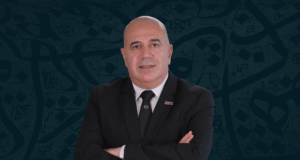
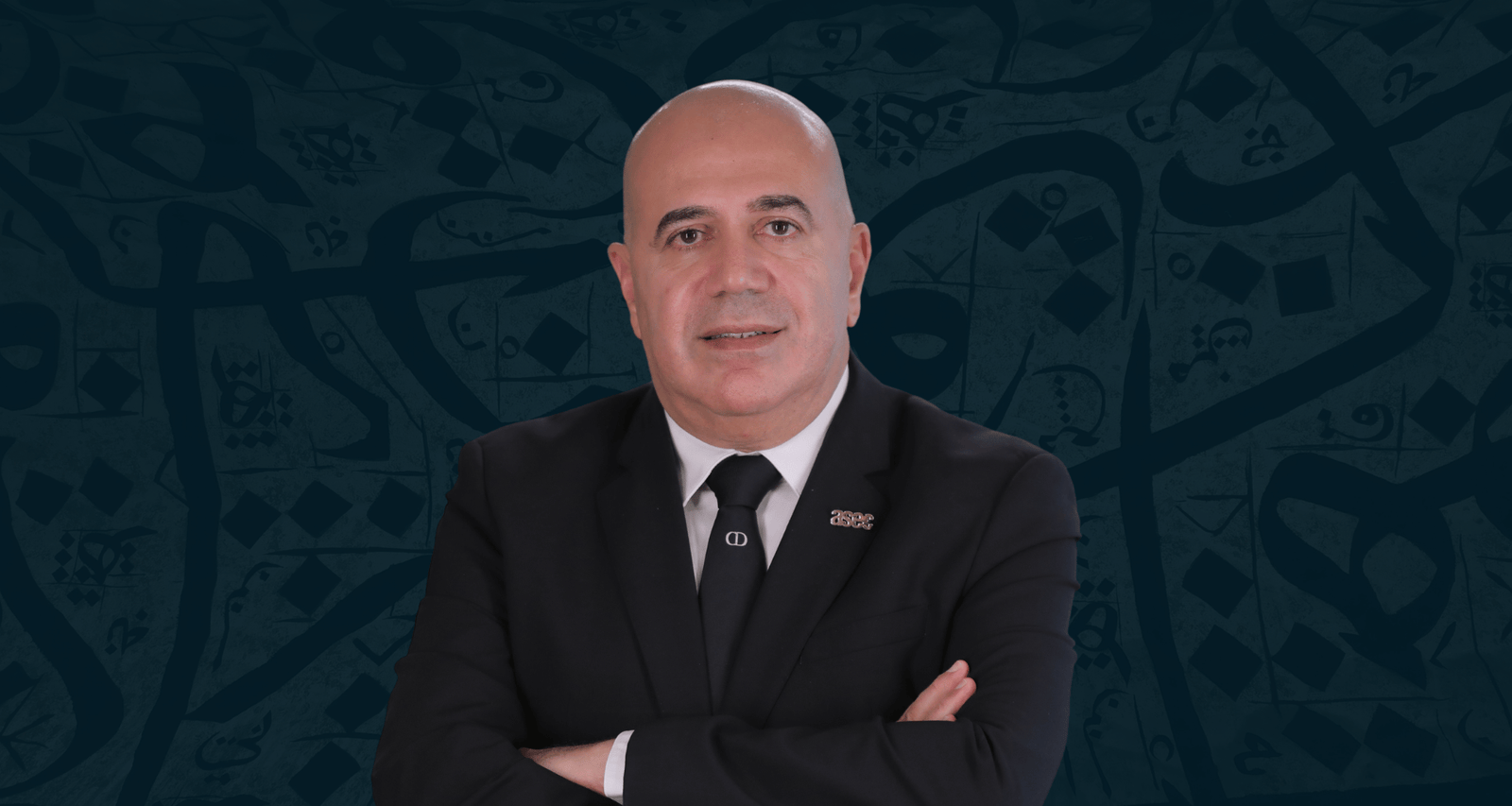
Ashraf El-Kahky is a distinguished Egyptian business leader whose nearly four decades of experience span finance, strategy, governance, industrial operations, and executive leadership. Beginning in 2020, as CEO and Managing Director of ASEC Engineering and NDT one of Qalaa Holding group, he has guided the organization through changing market conditions while strengthening its operational capabilities, talent, technology, and long-term strategic position within the cement industry.
Leading ASEC Engineering Through a Changing Market
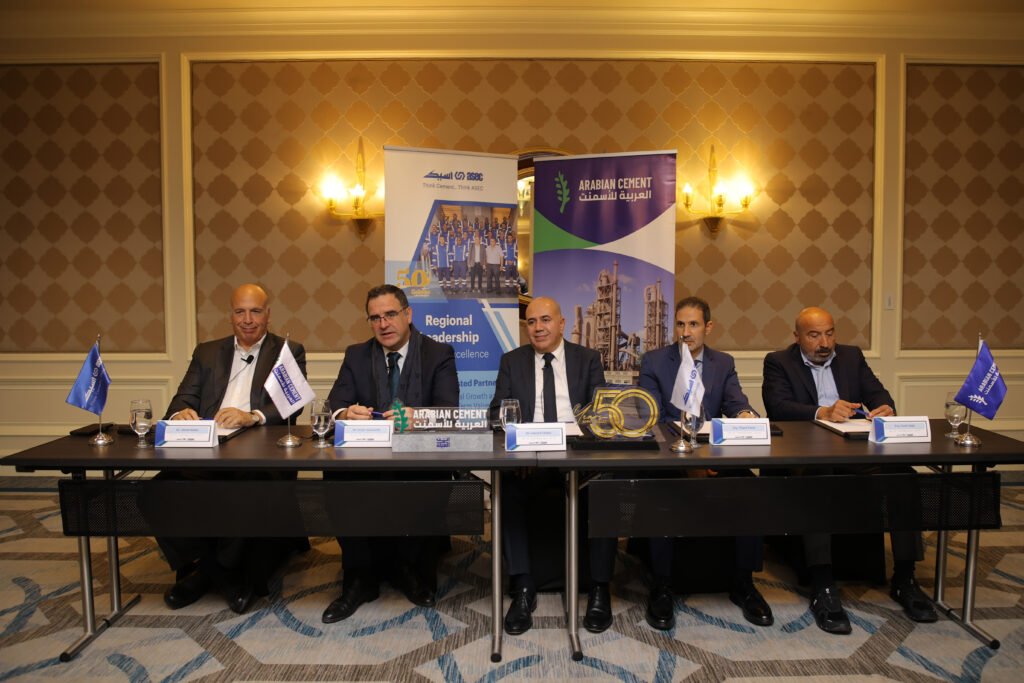
When El-Kahky assumed leadership of ASEC Engineering in 2020, the cement industry was facing significant market constraints, including overcapacity and changing client priorities. Rather than focusing solely on expanding capacity, customers increasingly sought greater operational efficiency, cost optimization, and improved performance.
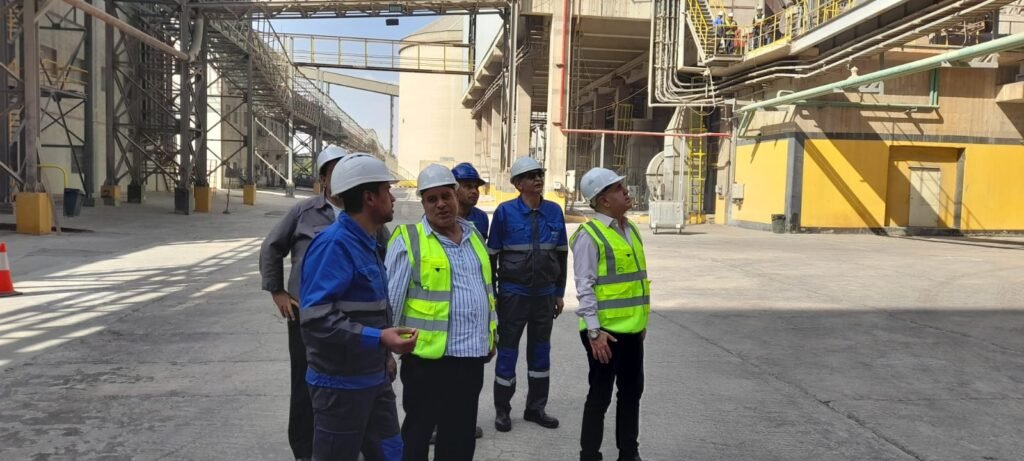
El-Kahky responded by strengthening internal governance and placing ASEC’s technical expertise at the center of operational management. His priorities included tighter operational control, greater energy efficiency, cost reduction, emphasizing HSE and maintaining the quality of services delivered to clients.
This approach allowed ASEC to navigate challenging market conditions while continuing to leverage its accumulated technical experience and industry heritage.
“Operational excellence begins with strong governance, technical expertise, and the ability to adapt to changing market realities.”
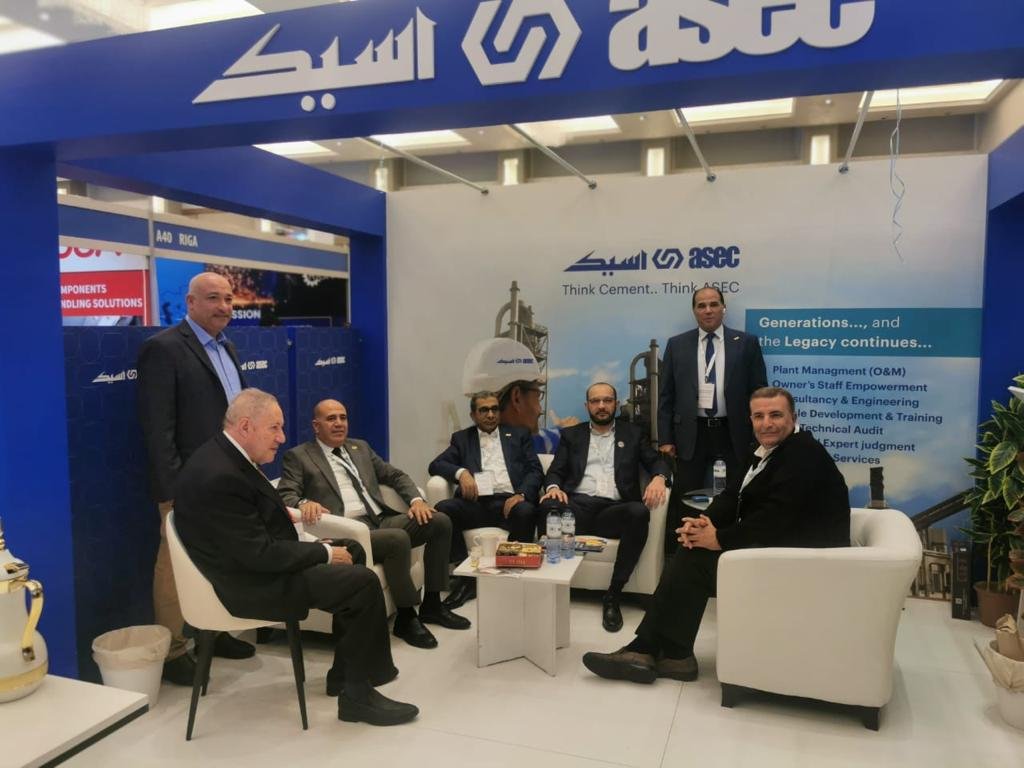
Preparing ASEC for the Next Industry Shift
By 2023, market priorities were evolving again. Greater production capacity and growing attention to carbon economics and emissions reduction were becoming increasingly important.
Under El-Kahky’s leadership, ASEC began preparing its organization for these emerging demands through updated technologies, stronger services, and investment in people.
A key element of this strategy has been the development of a new generation of highly trained engineers while strengthening the capabilities of experienced professionals through advanced technology. El-Kahky has also encouraged innovation and new ideas, creating an environment where employees can contribute to the organization’s future direction.
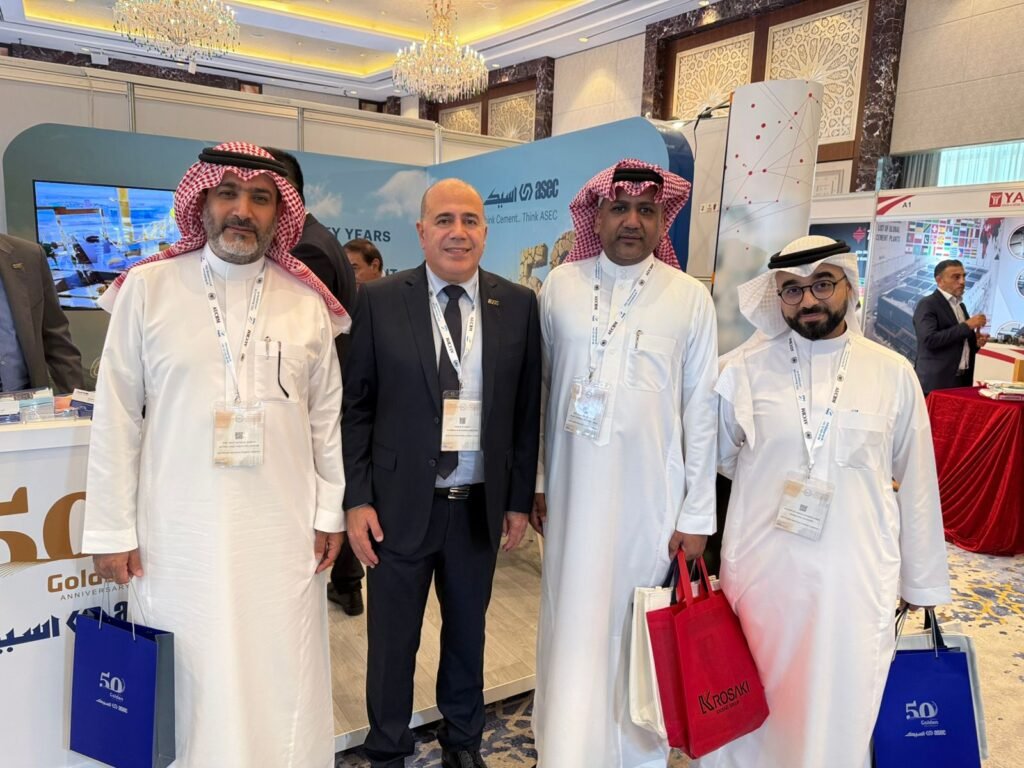
Connecting Operational Excellence With Sustainability
El-Kahky’s approach to operations has increasingly connected traditional maintenance and reliability objectives with environmental performance.
Under his direction, maintenance priorities expanded beyond equipment reliability to include efforts aimed at reducing CO₂ emissions. This reflects a broader understanding of how operational efficiency and sustainability can reinforce one another.
By integrating technical performance with environmental considerations, ASEC has been positioned to respond more effectively to the changing expectations of the cement industry.
Building Stronger Customer Partnerships
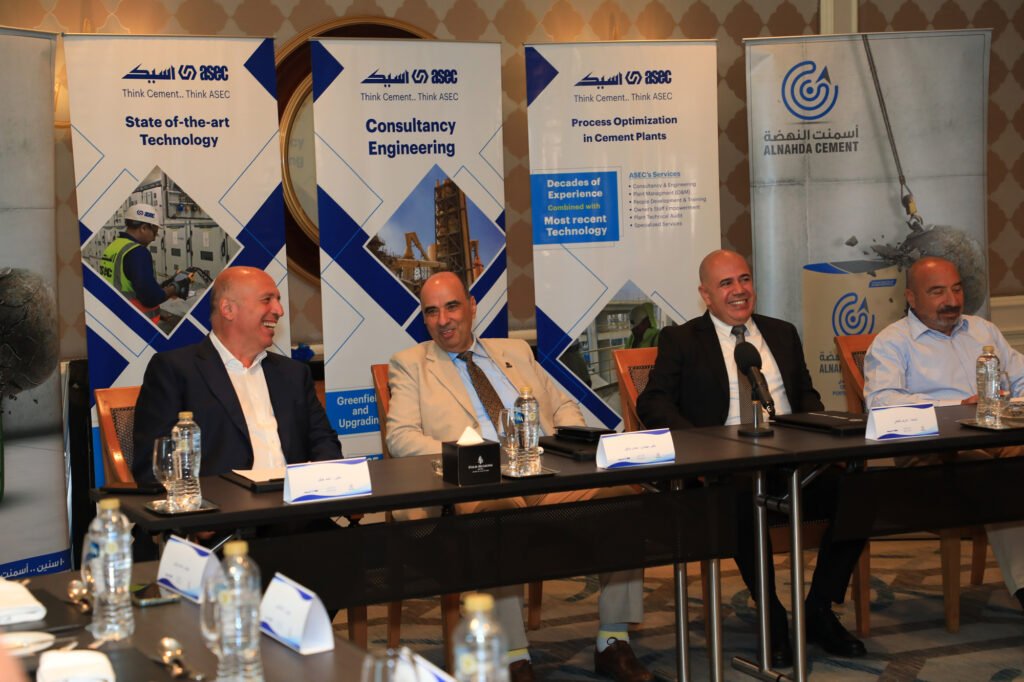
Another important aspect of El-Kahky’s leadership has been the evolution of ASEC’s relationship with its clients.
Rather than maintaining a conventional seller-and-buyer relationship, he has encouraged a more collaborative partnership model, positioning ASEC as a technical and strategic resource for customers.
This approach enables clients to draw on ASEC’s accumulated operational knowledge not only for service delivery but also for business support, technical assessments, and decision-making studies.
“The strongest customer relationships are built when technical expertise becomes a foundation for trust and informed decision-making.”
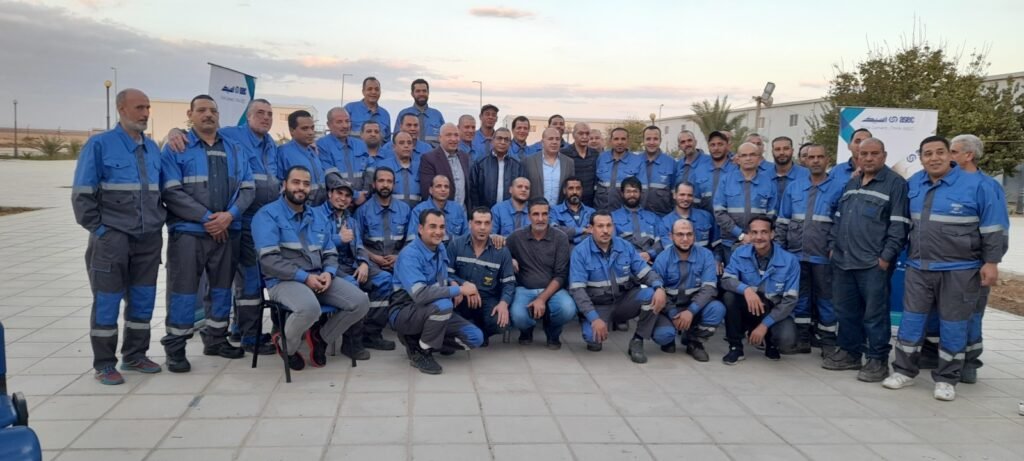
Empowering People and Encouraging Innovation
For El-Kahky, organizational transformation extends beyond systems and technology. People, empowerment, and communication remain central to strengthening ASEC’s competitiveness.
By encouraging employees to bring forward new ideas and initiatives, his leadership approach seeks to unlock expertise across the organization and create opportunities for talented professionals to demonstrate their capabilities.
The emphasis on developing future leadersis particularly important as the company looks toward its next phase, ensuring that ASEC’s technical heritage is complemented by new skills, perspectives, and technologies. This is supported by a clear organisational framework and defined segregation of duties, enabling employees to understand their responsibilities, strengthen accountability, and contribute effectively to the company’s continued development.
In parallel, implementing a clear succession plan will help ensure leadership continuity, retain critical knowledge, and prepare qualified internal talent to take on key roles in the future.
A Leadership Journey Built on Financial Discipline
El-Kahky’s ability to lead ASEC through transformation is rooted in a long career that began in accounting and external audit in the late 1980s.
His early experience across industrial sectors—including chemicals, fertilizers, petrochemicals, paper, and manufacturing—established a strong foundation in financial governance, cost control, and multi-entity operations.
A major career milestone came with his senior finance leadership at Egyptian Fertilizers Company within OCI Group, where he served as Deputy CFO. He joined the company from its construction phase and supported its transition into full-scale operations, contributing to the development of strong ERP systems that enabled the company to achieve outstanding performance and become an attractive opportunity for major players in the industry. During this period, he strengthened internal controls and worked on enterprise financial systems including Oracle and Maximo, alongside budgeting, forecasting, capital structuring, valuations, bond issuance, and financial ratings. The company was subsequently acquired three times, first by Citadel Capital, then by Abraaj Capital, and ultimately by OCI, with its value increasing by approximately 20-times over a ten-year period.
His career subsequently expanded into corporate and board leadership. As Corporate CFO at PACHIN, including responsibilities at PACHIN Libya as Board Member, he worked across consolidated reporting, treasury strategy, banking facilities, loan syndications, working-capital optimization, restructuring, and governance.
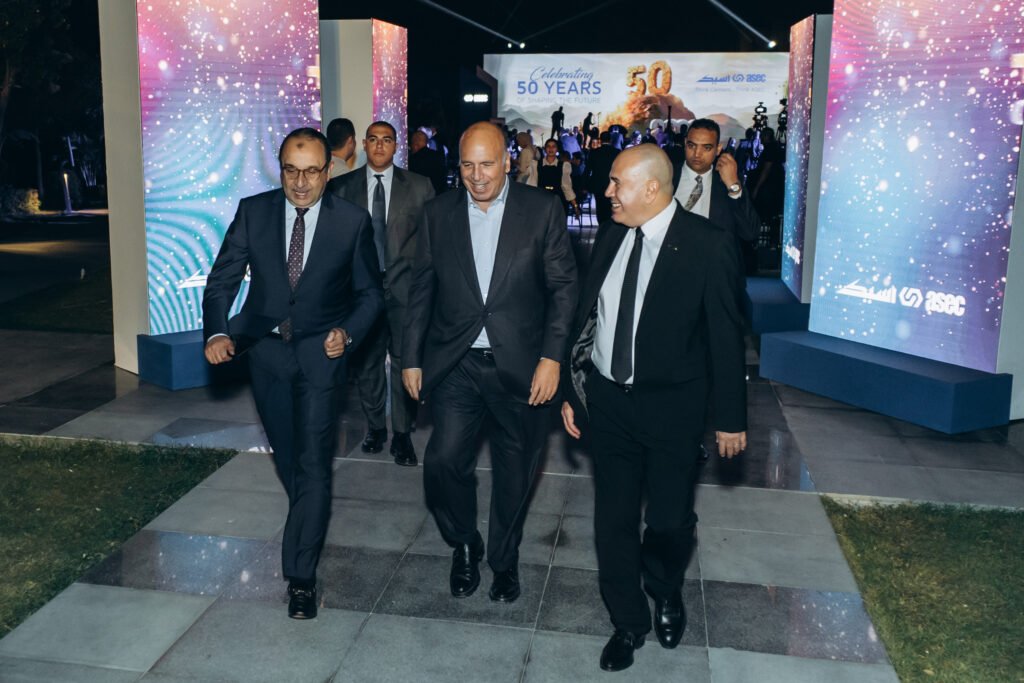
He later served as Managing Director at MIDO – International Group for Modern Coating and Universal Group, before serving as Group CFO of National Printing Group (El Shorouk Group) from 2017 to 2019. He also serves as an Advisory Board Member with Concord Group Private Equity.
These experiences progressively transformed his role from financial specialist into a broader enterprise strategist capable of connecting financial discipline with operational and organizational priorities.
A New Chapter of Strategic Leadership
Since 2020, El-Kahky has applied this diverse experience to ASEC Engineering and ASEC Holding, focusing on strategic vision, governance, portfolio oversight, stakeholder engagement, operational performance, and long-term value creation.
In 2024, he also assumed the position of Chairman and Managing Director, further expanding his leadership responsibilities.
Across more than six years at ASEC, his leadership has emphasized agility, technical excellence, innovation, talent development, and the ability to respond to evolving industry challenges.
Preserving Heritage, Building the Future
Ashraf El-Kahky’s leadership at ASEC Engineering represents an important evolution from traditional industrial management toward a more integrated model of technology, operational excellence, sustainability, talent development, and strategic partnership.
By combining decades of financial and corporate leadership with a strong understanding of industrial operations, he has helped position ASEC to remain relevant in a rapidly changing cement industry.
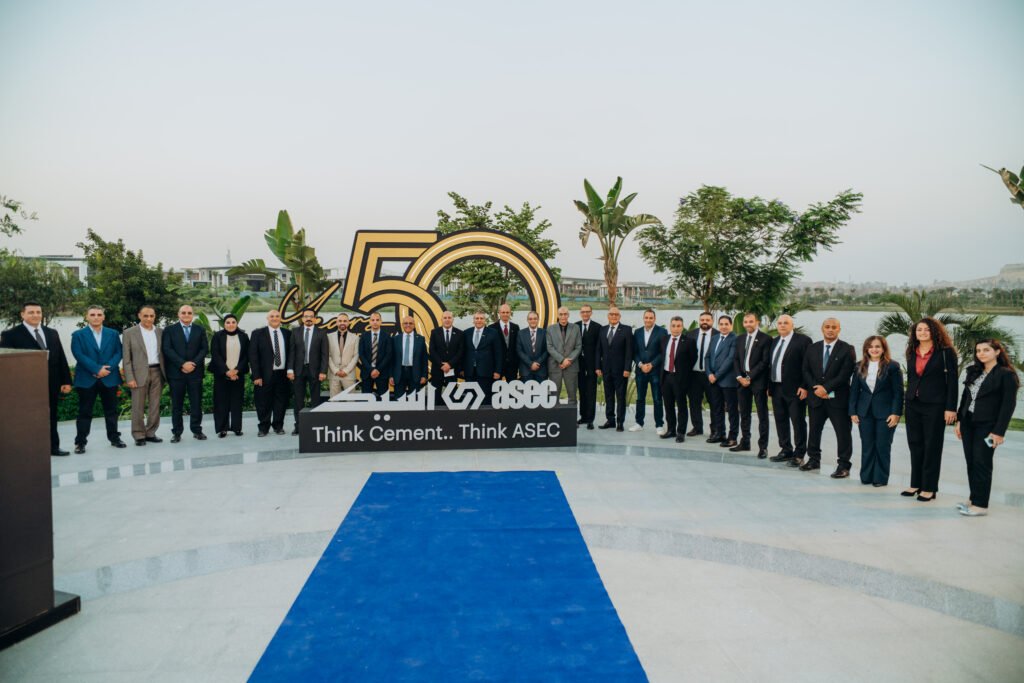
His vision looks beyond immediate market pressures toward the company’s long-term role: building on and enhancing ASEC’s established reputation, preserving its accumulated expertise and heritage, while equipping its people, technologies, and services to address the challenges of the industry for decades to come.
Arab Leaders Recognition
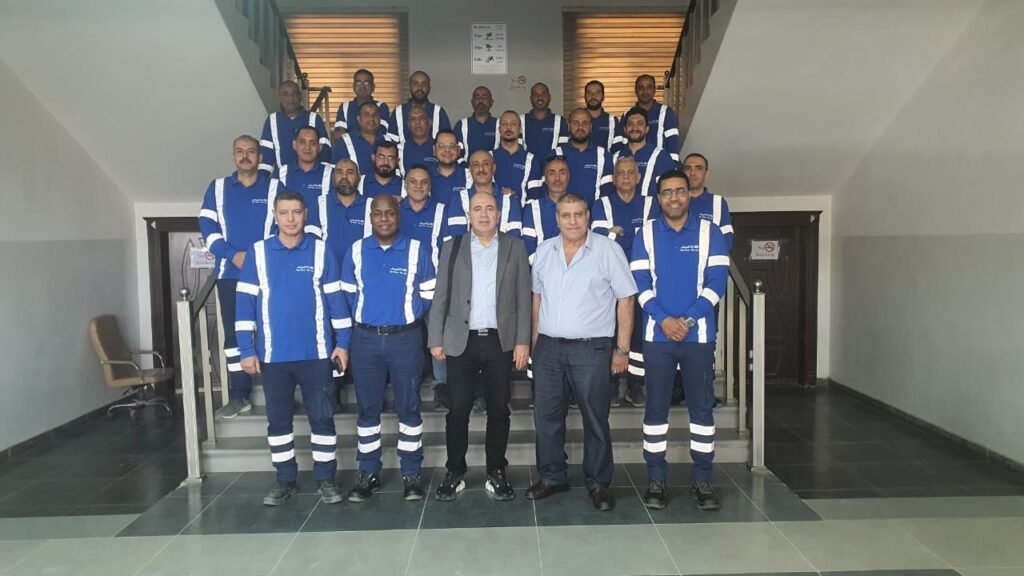
Arab Leaders recognizes Ashraf El-Kahky for his distinguished contribution to industrial leadership and his transformative stewardship of ASEC Engineering. His journey from finance and corporate governance to executive and board leadership demonstrates how disciplined strategy, technical expertise, innovation, and people-focused leadership can create lasting organizational value.